
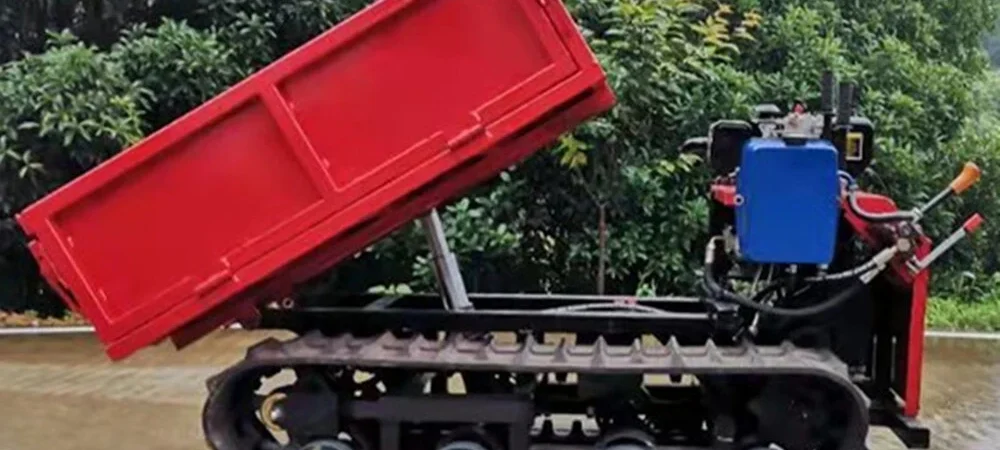
It might seem counterintuitive that a compact machine could handle heavy loads effectively, but modern tracked dumpers are engineered specifically to combine small size with strong hauling capability. Understanding why this equipment performs so well under load helps explain its growing popularity among contractors and site managers dealing with demanding material transport needs across a wide range of industries and project types. What once seemed like a tradeoff between size and strength has largely been resolved through smarter engineering and more thoughtful component selection.
Engineering That Balances Size and Strength
The frame and undercarriage of these machines are designed to distribute heavy loads across the entire track surface rather than concentrating weight on a few points, as wheels tend to do. This engineering approach allows a relatively small machine to carry loads that might otherwise require a much larger and less maneuverable vehicle, giving buyers the best of both worlds when it comes to capacity and accessibility on constrained sites. This balanced approach is precisely why so many contractors who once assumed they needed a full-size truck have found a compact tracked machine more than adequate for their actual needs.
Traction Advantages Under Heavy Loads
Carrying a heavy load becomes far more challenging when a machine loses traction, particularly on inclines or soft ground. The tracked design provides substantially more grip than wheels in these situations, which becomes increasingly important as load weight increases and ground pressure per square inch rises accordingly. Operators working with dense, heavy materials like wet clay or masonry rubble particularly benefit from this added traction advantage. Without it, a heavily loaded machine attempting to climb even a modest grade on soft ground could easily lose forward momentum, forcing a frustrating and time-consuming recovery process.
Hydraulic Systems Built for Repeated Use
Heavy-duty tipping mechanisms are essential when dealing with dense materials like wet soil, gravel, or masonry debris. A dependable mini crawler dumper uses hydraulic systems designed for frequent, repeated dumping cycles throughout a workday without losing lifting power or precision, which matters greatly on high-volume jobs where dozens of loading and unloading cycles may occur before the day is done. Operators often notice the difference most clearly late in a long shift, when a machine with a well-built hydraulic system still tips loads smoothly and quickly rather than slowing down.
Stability When Fully Loaded
A fully loaded machine faces a higher risk of tipping, especially on uneven ground or during turns. Manufacturers address this by keeping the center of gravity low and widening the track base relative to the load bed, resulting in a machine that remains stable even when carrying near its maximum rated capacity. This stability gives operators the confidence to work efficiently without constantly second-guessing the machine’s limits. That confidence translates into a steadier pace of work overall, since operators are not forced to slow down out of caution every time they approach a slope or uneven patch of ground.
Reducing Wear from Overloading
Choosing a machine rated appropriately for your typical load weights helps prevent premature wear on the engine, hydraulics, and undercarriage. Operators who consistently push equipment beyond its intended capacity often face shortened equipment lifespan and increased repair costs, making it important to match machine specifications to actual job demands rather than assuming a slightly undersized machine will simply cope. Businesses that have made this mistake in the past often report shortened service intervals and unexpected hydraulic repairs well before the machine’s expected lifespan would suggest.
Getting the Most from Heavy-Load Operations
To maximize performance when working with heavy materials, it helps to plan load distribution carefully, avoid excessive speed on inclines, and follow manufacturer guidelines for maximum capacity. When used correctly, this equipment offers a dependable and efficient way to move substantial material volumes without the overhead of larger, less flexible machinery, making it a smart long-term choice for businesses regularly working with heavier materials. Businesses that take the time to match machine capacity to their actual daily loads, rather than guessing, consistently report smoother operations and noticeably fewer unexpected mechanical issues over the equipment’s entire working life. A brief conversation with a supplier about typical daily tonnage is often enough to steer buyers toward the right capacity class from the very start.


