
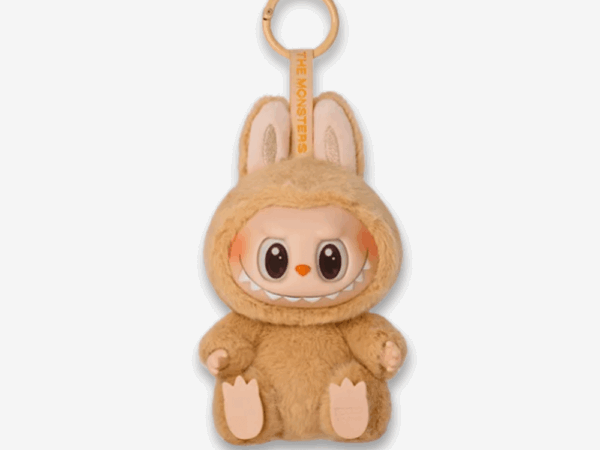
In recent years, collectible toys have moved far beyond childhood nostalgia and entered the center of global pop culture. Among the most surprising breakout stars of this movement is Labubu, a mischievous-looking character from the “The Monsters” series. What started as a niche designer toy has now become a viral sensation in the United States, appearing everywhere from social media feeds to celebrity collections. The rise of Labubu reflects deeper shifts in American consumer culture, where art toys, blind-box collectibles, and character-driven merchandise are reshaping how people express identity and taste.
At the heart of this phenomenon is Labubu, a quirky figure known for its sharp teeth, expressive eyes, and playful yet slightly chaotic personality. Created by artist Kasing Lung, Labubu was originally part of a fantasy-inspired art universe that blended European fairy-tale aesthetics with Asian toy culture. Its transformation into a mainstream pop culture icon is largely driven by collectible toy giant POP MART, which helped distribute Labubu figures globally through blind-box marketing and limited releases.
The Rise of Designer Toy Culture in America
To understand labubu popularity, it is important to recognize the rise of designer toys in the United States. Unlike mass-produced action figures or dolls, designer toys are often created by artists and released in limited quantities. They blur the line between art and consumer product, appealing to collectors who value uniqueness, storytelling, and aesthetic design.
Over the past decade, American consumers—especially younger generations—have shown growing interest in collectibles that feel personal and expressive. Vinyl figures, blind-box toys, and art figurines have become popular not just as hobbies but as lifestyle accessories. Labubu fits perfectly into this cultural shift, offering something that feels both emotionally expressive and visually distinctive.
The Emotional Appeal of Labubu
One of the key reasons Labubu resonates with audiences is its emotional complexity. Unlike traditional cute characters designed purely for appeal, Labubu has an intentionally strange and mischievous look. Its wide grin and sharp teeth give it a chaotic charm that feels both adorable and slightly unsettling.
This emotional duality is a major part of its appeal. In a world where digital life often feels polished and filtered, Labubu represents imperfection and personality. Collectors often describe it as a character that feels alive, expressive, and unpredictable.
The storytelling behind Labubu also adds depth. Within the broader “The Monsters” universe created by Kasing Lung, Labubu exists in a whimsical world filled with fantasy creatures. This narrative framework gives the character a sense of identity beyond just being a toy.
The Role of POP MART and Blind-Box Culture
A major force behind Labubu’s global success is POP MART, which revolutionized how collectible toys are sold. Instead of allowing customers to choose specific figures, POP MART uses blind-box packaging, where buyers do not know which character they will receive until they open the box.
This system creates excitement, surprise, and a sense of gambling-like anticipation. It also encourages repeat purchases as collectors try to complete entire sets or obtain rare variants.
In the United States, this model has proven especially effective among Gen Z and young millennials, who are already familiar with mystery-based consumption through digital culture—such as loot boxes in video games and randomized rewards in mobile apps.
Labubu benefits heavily from this system, as rare editions and limited releases often go viral online, fueling demand and resale markets.
Social Media and Viral Aesthetics
Social media labubu doll platforms like TikTok, Instagram, and YouTube have played a crucial role in turning Labubu into a cultural trend in America. Short-form videos of unboxing Labubu figures regularly attract millions of views, as viewers enjoy the suspense and satisfaction of blind-box reveals.
Aesthetic appeal is another important factor. Labubu’s unique design makes it highly photogenic. Collectors often display their figures in curated setups, desk arrangements, or themed shelves, turning them into lifestyle décor rather than simple toys.
Influencers and content creators have also contributed to the hype by showcasing large collections, rare finds, and custom arrangements. This constant visibility reinforces Labubu’s status as a must-have collectible.
Celebrity Influence and Pop Culture Integration
As with many modern trends, celebrity adoption has accelerated Labubu’s rise in the United States. Musicians, athletes, and influencers have been seen showcasing Labubu figures as part of their personal collections or studio décor.
When celebrities engage with niche collectibles, it often signals cultural legitimacy. Fans begin to associate the item with creativity, exclusivity, and trend awareness. Labubu has benefited from this cycle, moving from niche collector circles into mainstream pop culture conversations.
The character’s playful and slightly chaotic design also fits well with modern celebrity aesthetics, which often embrace individuality and eccentricity.
The Psychology of Collecting
Labubu’s success is also rooted in the psychology of collecting. Humans are naturally drawn to completion, rarity, and surprise. Blind-box systems amplify these instincts by introducing uncertainty and reward mechanisms.
Collectors often experience:
- Excitement from unboxing
- Satisfaction from completing sets
- Motivation to find rare editions
- Emotional attachment to characters
Labubu taps into all of these behaviors. Each figure feels like a small discovery, making the collecting process as important as the final product.
In American consumer culture, where personalization and identity expression are highly valued, Labubu collections become a reflection of individual taste and personality.
Art Toy Culture vs. Traditional Toys
Unlike traditional toys aimed at children, Labubu exists primarily in the adult collector and pop culture space. It is part of a broader movement where toys are treated as art pieces rather than playthings.
Designer toys like Labubu are often displayed in homes, studios, and offices, much like sculptures or decorative art objects. This shift has elevated the entire category, allowing characters like Labubu to exist at the intersection of art, fashion, and lifestyle branding.
In this context, owning Labubu figures is not just about collecting—it is about participating in a global aesthetic movement.
The Role of Exclusivity and Scarcity
Scarcity is another major driver of Labubu’s popularity. Limited-edition releases and region-specific drops create urgency among collectors. When certain figures sell out quickly, their perceived value increases, fueling secondary markets and online reselling communities.
This scarcity model mirrors strategies used in streetwear culture and sneaker drops, where exclusivity enhances desirability. Labubu fits seamlessly into this ecosystem, making it especially appealing to American consumers already familiar with hype-driven culture.
Labubu and the Future of Pop Culture Collectibles
The rise of Labubu signals a broader transformation in how pop culture is consumed. Characters are no longer confined to cartoons or media franchises—they now exist as physical, collectible expressions of identity and art.
As digital culture continues to evolve, physical collectibles like Labubu offer something tangible and emotionally engaging. They provide a break from screens while still connecting to online communities and trends.
Future growth in this space will likely include:
- More artist-driven toy collaborations
- Expansion of blind-box ecosystems
- Integration with digital collectibles
- Increased crossover with fashion and lifestyle brands
Labubu is positioned at the center of this evolving landscape.
Conclusion
The takeover labubu big into energy of American pop culture by Labubu is not just a trend—it is a reflection of deeper cultural changes. Driven by the creativity of Kasing Lung and the global distribution power of POP MART, Labubu has become a symbol of modern collecting culture.
Its success is built on emotional storytelling, social media virality, blind-box excitement, and the growing appreciation for art toys in the United States. As American pop culture continues to embrace individuality, aesthetics, and collectible experiences, Labubu stands as one of the clearest examples of how a small character can grow into a global cultural phenomenon.


