
To pass bank exams, there has to be dedication, determination, and intense effort. Many people have the belief that they can only succeed in their exams through cramming for many hours continuously. But continuous studies without having enough sleep will lead to mental tiredness, inability to concentrate, tension, and reduced efficiency. For successful learning and in the long run for being successful, it is important to achieve a balance between study and relaxation. An individual’s mind will be more alert when they get sufficient rest, which will help them in retaining information efficiently and performing well during their exams.
In this article, we will discuss how to maintain a healthy balance between study and rest.
A properly organized program for Bank Coaching helps the aspiring candidates strike a proper balance between studying and sleeping with the help of effective scheduling and preparation techniques.
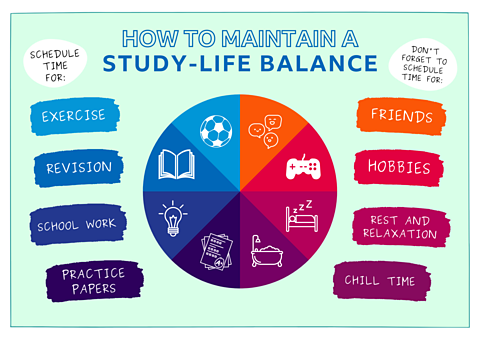
How to maintain a healthy balance between study and rest
Here are some of the ways given below to maintain a healthy balance between study and rest:
Understand the importance of balance
Studying alone cannot guarantee success in the examinations of the banks because the efficiency of studying also depends on how the study time is utilized. Continual studying may affect concentration and the efficiency of the studies. On the other hand, taking regular breaks helps one stay motivated, refresh their brain, and retain information. The very first thing that needs to be considered in long-term preparation for the examination is the importance of balance.
Create a realistic study schedule
Balancing leisure and study can be simplified by the proper organization of your studies through a good study schedule. Allow yourself some time allocated to each of the subjects you are learning and ensure there are some short breaks between study periods. Avoid being impractical with the schedules you devise.
Take regular short breaks
Continuous study for a number of hours may make one less productive and less concentrated. One should have a short break after studying. One could relax or even go out for a walk. It is always beneficial to return to the books after having taken some time off, because it enables one to be more focused and productive.
Get adequate sleep every night
Sleeping is important for the formation of memory and decision-making. The more you study without sleep, the poorer will be your performance and retention of the material. In order to ensure that your mind stays active and is ready to accept any new information, it is crucial to get proper rest each day.
Include physical activity in your routine
Physical exercise benefits our psychological and physiological states. Walking, running, stretching, yoga, and exercising are a few forms of physical exercise that help improve blood flow in the body, reduce the level of anxiety, and energize the body. Physical exercise is known to improve concentration and productivity.
Eat a balanced and nutritious diet
Energy and mental functions can be maintained through a proper diet. It is recommended that one should take complete cereals, proteins, fruits, vegetables, and plenty of water in his/her daily diet. While studying, one should not depend too much on junk food and caffeine intake to stay awake. Focusing and avoiding unnecessary tiredness are two positive aspects of a proper diet.
Avoid overloading yourself
It could be due to exhaustion and confusion arising from trying to do too many things in one day. Set up achievable goals each day that you can achieve within the study time you have. Consistently doing little tasks increases your confidence and helps you progress gradually without being overstressed.
Spend time on activities you enjoy
Hobbies and other recreational activities may be used to refresh oneself. It is possible that reading, music, gardening, drawing, and spending time with your family will all relieve your mind of exam preparation stresses. Such activities not only make preparation interesting but also maintain emotional balance.
Limit digital distractions
Despite the importance of adequate rest, excessive use of social media and any other digital distractions could affect your study schedule and make you unproductive. Rather than being absorbed in things that take more time than expected, use your free time to relax properly. Avoiding the excess screen time will help achieve a balance between your studies and leisure.
Practice stress management techniques
The process of preparing for an examination is sometimes considered to be somewhat stressful, especially as the exam approaches. Some ways of relaxing are deep breathing, meditation, and mindfulness, among others, which assist in relieving stress and sharpening one’s mind. Relaxing assists one in concentrating better on preparation.
Review your routine regularly
The study plan that you develop must have sufficient flexibility to suit the changing needs that you may experience. See if your current plan helps you achieve your goals consistently. You can get more sleep or alter your studying schedule in case you note any signs of fatigue, loss of concentration, or excessive stress.
For those who are searching for good ssc coaching, one should join a coaching institute that provides qualified faculty and mock tests.
Conclusion
One of the ways of being well prepared for bank exams is balancing study and relaxation. Studying in a planned manner, having intervals for rest, exercising, eating healthy foods, and getting enough sleep will help candidates to be more concentrated and productive. The candidates should not evaluate their success in terms of the number of hours they spend preparing, but should pay attention to the quality of their preparation and their health in general. With the right approach and self-discipline, the candidates can show their best in order to succeed in their banking career.


