
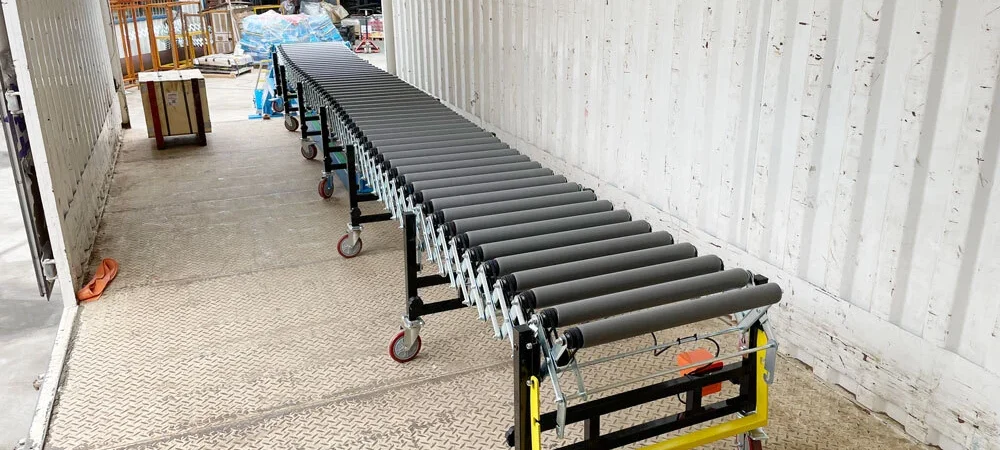
Adding a motorized flexible conveyor to a production line isn’t a decision to make lightly, since the wrong setup can slow things down just as easily as the right one can speed them up, especially if it doesn’t match the actual pace and layout of the line. Understanding what to look for, and matching those features to the actual demands of the production line, makes the difference between a smart investment and an underused piece of equipment gathering dust in a corner of the facility.
Assessing Your Production Line’s Needs
Before comparing models, it helps to map out exactly where products need to move, how far, and how often throughout a typical production cycle. A short assembly line moving small parts between two stations has very different needs than a larger facility shifting bulky finished goods toward a packaging area located on the opposite side of the building. Taking measurements and noting typical product weights beforehand makes the buying process much more straightforward and helps avoid the common mistake of purchasing equipment that turns out to be either underpowered or unnecessarily oversized for the task at hand.
Comparing Load Capacity and Roller Spacing
Roller spacing directly affects what size items the conveyor can safely support, since gaps that are too wide can cause smaller boxes to tip or jam as they move along the line, creating delays that ripple through the rest of the production schedule. Load capacity, meanwhile, determines whether the unit can handle your heaviest regular items without strain on the motor, and running equipment consistently near its upper limit tends to shorten its working life. Checking both specifications against your actual product range prevents costly mismatches after purchase and gives you a much clearer sense of how the equipment will actually perform under everyday conditions.
Evaluating Motor Performance and Speed Control
A good motorized flexible conveyor should offer adjustable speed settings, letting operators slow things down for fragile items or speed up for sturdier ones depending on what’s currently moving through the line. It’s worth checking how the motor performs under a full load, since some cheaper units lose speed or stall when carrying maximum weight, which can create bottlenecks rather than solving them and end up frustrating the very workers the equipment was meant to help. Requesting real performance data, rather than relying only on advertised top speeds, tends to produce a much more accurate picture of daily reliability.
Considering Portability and Setup Time
Production lines that shift layout occasionally benefit most from lighter, easily foldable models that can be repositioned quickly without requiring extra staff or tools to make the change happen. If your line rarely changes, a slightly heavier and longer-duty unit might make more sense, since portability becomes less important when the equipment is expected to stay in one place for extended periods. Explore a motorized flexible conveyor with setup features suited to your specific pace of operational change, since setup time matters more in fast-changing environments than in stable ones that follow the same routine day after day.
Making a Confident Final Decision
Once load capacity, roller spacing, motor performance, and portability have all been checked against your production line’s actual needs, the final decision usually becomes fairly clear and much less stressful than it seemed at the start of the process. It’s worth requesting detailed specification sheets and, where possible, seeing a demonstration before committing, since real-world performance can sometimes differ slightly from paper specifications that don’t always account for the specific conditions found on your own production floor.


