
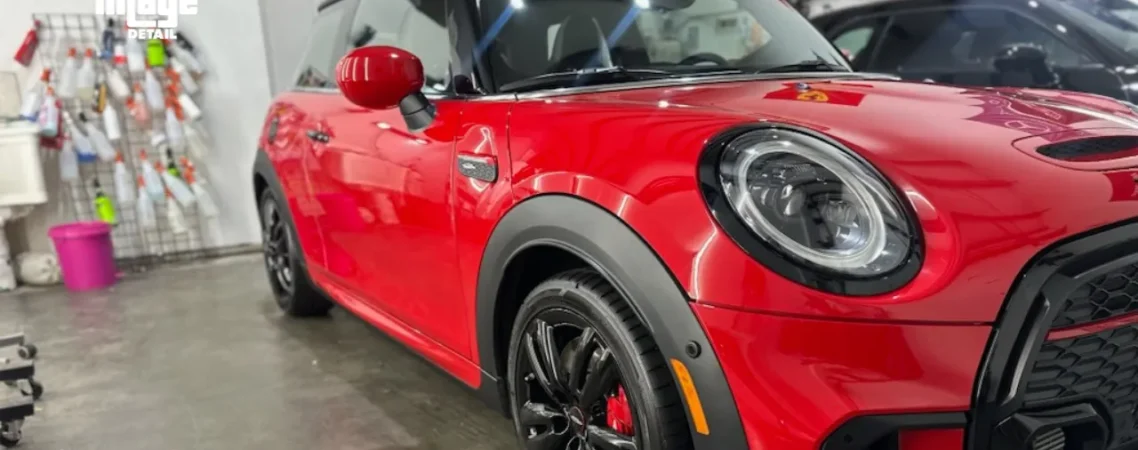
Why Tree Sap Is a Problem for Vehicle Surfaces
Tree sap is more than just a cosmetic issue.
As sap sits on a vehicle, it can:
- Trap dirt and dust
- Harden under sunlight
- Bond to paint surfaces
- Leave stains behind
- Interfere with protective coatings
- Create rough spots on the finish
Fresh sap is usually easier to remove. Once it hardens and cures, the cleaning process becomes more challenging.
This is why prompt attention is always beneficial.
Begin With a Full Vehicle Inspection
Before cleaning, carefully inspect the entire vehicle.
Tree sap often appears in places owners don’t immediately notice.
Check:
- Hood
- Roof
- Windshield
- Side windows
- Trunk lid
- Mirrors
- Door tops
Look at the vehicle from different angles and under good lighting.
Small sap spots can blend into the paint until sunlight reveals them.
Personal Observation
One of the most common mistakes I see is people removing only the obvious sap spots. A few days later, they discover dozens of smaller deposits that were missed during the initial cleaning.
A thorough inspection saves time and ensures the entire vehicle receives proper treatment.
Start With a Gentle Wash
Before focusing on the sap itself, wash the vehicle thoroughly.
This removes:
- Loose dirt
- Dust
- Pollen
- Surface contamination
Cleaning the vehicle first reduces the risk of scratching the paint during sap removal.
Use a pH-balanced car shampoo and a quality microfiber wash mitt.
Avoid aggressive scrubbing around sap deposits at this stage.
The goal is simply to create a clean surface for further work.
Identify Fresh Versus Hardened Sap
Not all sap requires the same approach.
Fresh sap typically feels sticky and soft.
Older sap often becomes:
- Hard
- Brittle
- Darkened
- Firmly attached
Understanding the condition of the contamination helps determine the safest removal method.
Fresh sap generally requires less effort and carries a lower risk of paint damage.
Soften the Sap Before Removal
One of the biggest mistakes vehicle owners make is attempting to scrape hardened sap immediately.
Instead, focus on softening it first.
Apply a dedicated automotive-safe sap remover or approved cleaning product according to manufacturer instructions.
Allow the product time to work.
Patience is critical.
Trying to force removal before the sap softens often increases the risk of scratching the paint.
Insider Tip: Work in Small Sections
Rather than treating the entire vehicle at once, focus on a few sap spots at a time.
This allows better control and prevents cleaning products from drying before they have time to work.
Professional detailers frequently use this approach because it improves both safety and effectiveness.
Remove Sap Using Gentle Techniques
Once softened, sap can often be removed with a clean microfiber towel.
Use light pressure and slow movements.
Avoid:
- Scraping with hard objects
- Using razor blades
- Aggressive rubbing
- Abrasive pads
Even small scratches can become visible later, especially on dark-colored paint.
Gentle removal is almost always the safer option.
Pay Special Attention to Glass Surfaces
Tree sap doesn’t only affect paint.
Windows and windshields often collect sap as well.
Fortunately, glass surfaces generally tolerate cleaning more easily than paint.
Still, use caution.
Remove sap carefully and inspect for streaking afterward.
Clean glass thoroughly once the sap has been eliminated.
This helps restore visibility and overall appearance.
Inspect the Paint After Sap Removal
Once the visible sap is gone, inspect the paint closely.
Look for:
- Residual staining
- Surface roughness
- Embedded contamination
- Dull spots
In some cases, sap may leave behind minor residue even after removal.
Additional cleaning or decontamination may be necessary to restore a smooth finish.
Take your time during this step.
Rushing can cause you to overlook remaining contamination.
Insider Tip: Feel the Surface With a Clean Hand
After cleaning, lightly glide your fingertips across the paint.
A smooth surface usually indicates successful removal.
If roughness remains, additional contamination may still be present.
Many experienced detailers rely on touch as much as visual inspection when evaluating results.
Address Hidden Areas
Tree sap often accumulates in overlooked locations.
Check:
- Window trim
- Roof rails
- Mirror housings
- Door jamb edges
- Windshield moldings
These areas can trap sap and debris long after the main body panels have been cleaned.
A detailing brush can help reach narrow spaces safely.
Comprehensive cleaning produces a more professional result.
Dry the Vehicle Thoroughly
After sap removal and washing, dry the vehicle carefully.
Use quality microfiber drying towels to remove moisture from:
- Paint
- Glass
- Trim
- Crevices
Proper drying prevents water spots and makes final inspection easier.
It also reveals any remaining contamination that may require additional attention.
Restore and Maintain Surface Protection
Tree sap can compromise existing paint protection.
Once the vehicle is fully cleaned, evaluate the condition of the finish.
Protective products can help:
- Reduce contaminant bonding
- Improve ease of cleaning
- Preserve gloss
- Shield paint from environmental exposure
As explained in this guide on ceramic coating virginia beach (https://nuimagedetail.com/), maintaining effective paint protection can simplify future maintenance and help reduce the impact of contaminants such as tree sap, road grime, and environmental fallout.
Vehicles with well-maintained protection often recover more easily from sap exposure.
Common Mistakes to Avoid
Several errors frequently occur during sap removal.
Scraping the Surface
Hard tools can scratch paint quickly.
Waiting Too Long
Older sap is significantly harder to remove.
Skipping the Initial Wash
Loose dirt increases the risk of scratching.
Using Excessive Force
Pressure rarely solves the problem and often creates new ones.
Prevent Future Tree Sap Problems
While complete prevention isn’t always possible, a few habits can reduce future exposure.
Consider:
- Avoiding parking under sap-producing trees
- Washing vehicles regularly
- Inspecting paint frequently
- Removing fresh sap promptly
Even small amounts of routine maintenance can prevent larger detailing challenges later.
Final Thoughts
Tree sap may be one of the more frustrating contaminants vehicle owners encounter, but it doesn’t have to become a permanent problem. With a careful inspection, proper washing techniques, patient sap removal, and attention to surface protection, most vehicles can be restored without damage.
The key is resisting the urge to rush. Tree sap often responds best to gentle methods, adequate dwell time, and a methodical approach. By addressing contamination early and maintaining protective surfaces, vehicle owners can keep their paint looking cleaner and healthier for years to come.
Also read for more information so click here.


