
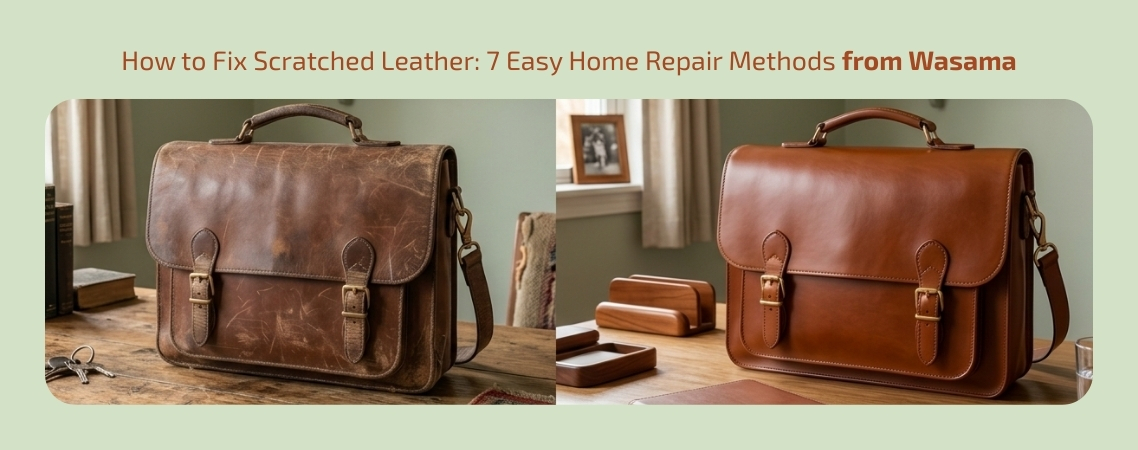
How to fix scratched leather is a concern every leather owner eventually faces, especially when branded accessories begin to show signs of wear and tear. Even the finest leather surfaces develop marks due to friction, pressure, or environmental exposure. Understanding how to repair scratched leather at home allows you to restore both appearance and texture without relying immediately on professional services. Whether you are maintaining real leather wallets, handbags, or travel gear, knowing how to get rid of scratches on leather ensures longevity and visual refinement. This becomes particularly relevant for high-craftsmanship products such as Wasama leather accessories. Preserving the original finish, grain quality, and structural integrity helps maintain durability, luxury appeal, and long-term product value.
How to Fix Scratched Leather: 7 Proven Ways to Restore Leather at Home
In learning how to fix scratched leather, it is important to understand that different scratches require different treatment approaches. The effectiveness of each technique depends on scratch depth, leather finish, and pigment damage. By identifying the type of mark correctly, you can choose a repair solution that restores surface smoothness while maintaining the leather’s original texture and visual consistency. Here are the 7 ways you can use at home to fix scratched leather:
1. Leather Conditioner
One of the most effective starting points in learning how to fix scratched leather is using a high-quality leather conditioner. Leather is naturally porous and relies on internal oils to maintain flexibility. When these oils diminish, scratches become more visible because the fibers lose elasticity. Conditioning works by replenishing these oils, allowing the leather to rehydrate and subtly expand, which helps scratches blend into the surrounding surface.
To execute this repair method, the leather must first be cleaned thoroughly. Once dry, a small amount of conditioner should be massaged gently into the scratched area using circular motions. Over time, the leather absorbs the nutrients, reducing scratch contrast and restoring smoothness. This method is widely recommended in professional guides on how to repair scratched leather because it improves both texture and resilience simultaneously.
For those researching how to get rid of scratches on leather without altering the original pigment, conditioning remains one of the safest solutions. Premium full-grain leather, including that used in Wasama real leather wallets and handbags, responds exceptionally well due to its natural fiber density and absorption capacity.
Use pH-balanced conditioners and patch test first when learning how to fix scratched leather. Avoid over-conditioning as excess oils may darken surfaces unevenly. Full-grain leather like Wasama products absorbs conditioners deeply, making how to repair scratched leather more effective. Avoid this method on suede or nubuck, as moisture flattens fibers and worsens attempts to get rid of scratches on leather.
2. Natural Oils
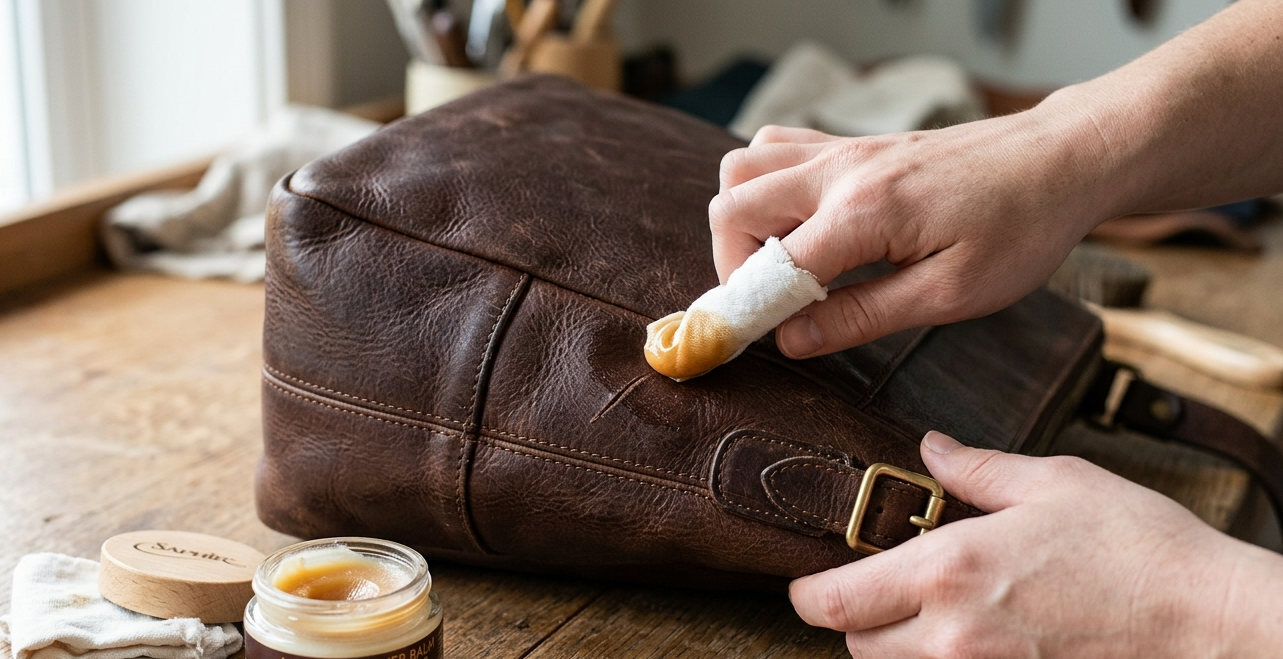
A practical method when exploring how to fix scratched leather involves natural oils such as olive oil or coconut oil. These oils act as temporary blending agents that darken scratched fibers, making them less visible. While this does not structurally remove the scratch, it significantly improves the aesthetic finish.
Application requires a light touch. A cotton swab dipped in oil should be applied directly onto the scratch and allowed to sit briefly before buffing. The oil penetrates the leather’s upper layer, helping it regain tonal uniformity. Many DIY enthusiasts rely on this technique when studying how to repair scratched leather using household resources.
If you are searching for quick ways regarding how to get rid of scratches on leather before travel or professional engagements, this method provides fast visual improvement. However, restraint is important as excess oil may oversaturate real leather. For finely crafted Wasama’s leather accessories, minimal application ensures repair without compromising grain texture.
Apply oils sparingly and buff thoroughly while practicing how to fix scratched leather at home. Do not pour oil directly, as oversaturation weakens fibers. Full-grain Wasama leather tolerates minimal oil due to dense grain structure, supporting how to repair scratched leather cosmetically. Avoid oils on patent or synthetic leather, where coatings block absorption and hinder the removal of scratches on leather.
3. Leather Repair Cream
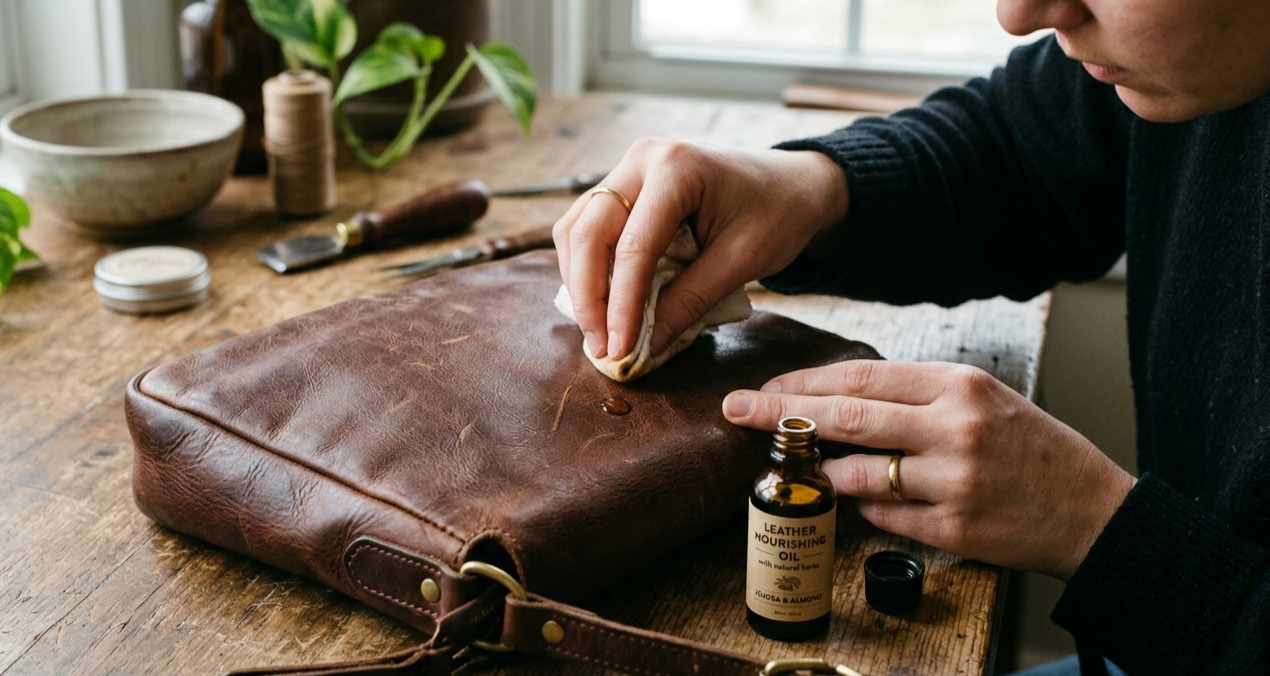
When scratches become more pronounced, repair creams offer a targeted solution for how to fix scratched leather. These creams are formulated with pigments and binding agents that fill scratch grooves while restoring lost color. Unlike conditioners, they address both structural indentation and pigment loss.
The process begins with selecting a shade that closely matches the leather. After cleaning the area, the cream is applied using a sponge applicator and worked into the scratch. Once dried, buffing helps restore the leather’s natural sheen. This method is widely used in advanced restoration kits and remains a professional standard in how to repair scratched leather.
For individuals researching how to get rid of scratches on leather on frequently used items such as office bags or belts, repair creams provide longer-lasting results. They are particularly useful for Wasama leather products, where maintaining color consistency is essential to preserving the brand’s premium aesthetic.
Remember to match color carefully and apply thin layers when using creams to fix scratched leather, as excess product may stiffen leather. Full-grain Wasama leather handles pigment repair well, improving the repair of scratched leather leather where discoloration exists. Avoid the use of this technique on untreated aniline leather without testing, as high absorbency may create uneven patches while trying to get rid of scratches on the leather.
4. Leather Dye
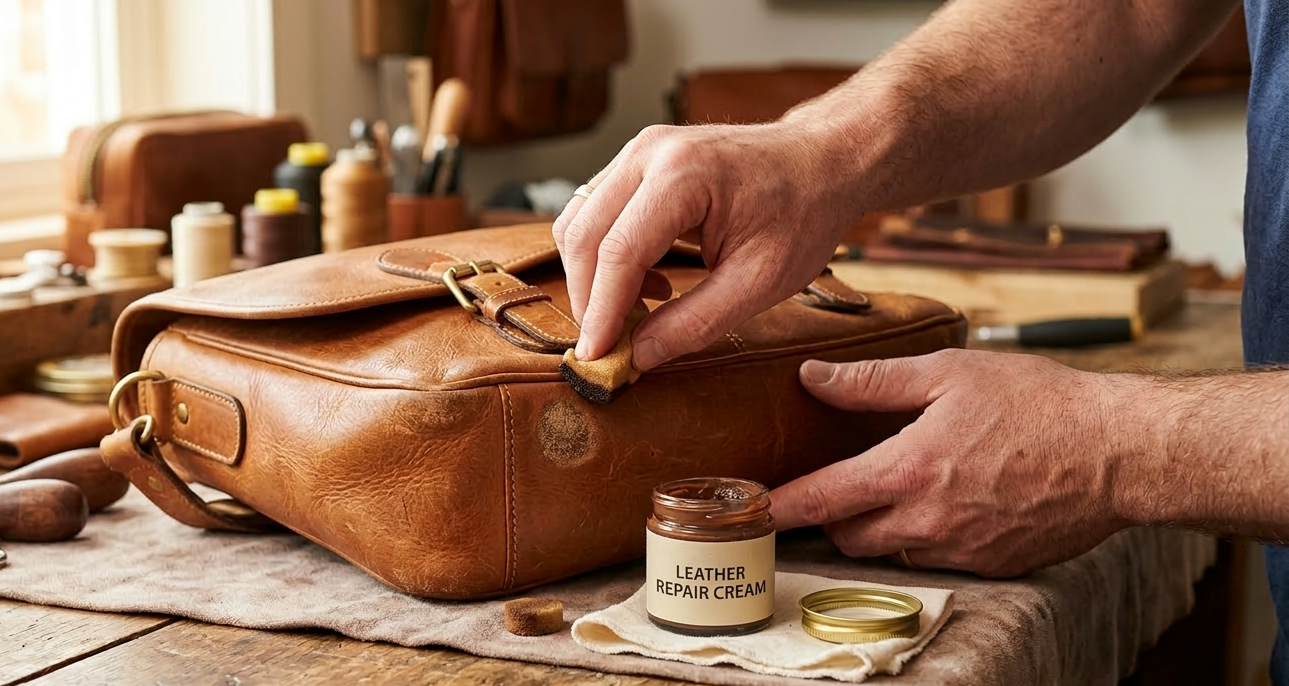
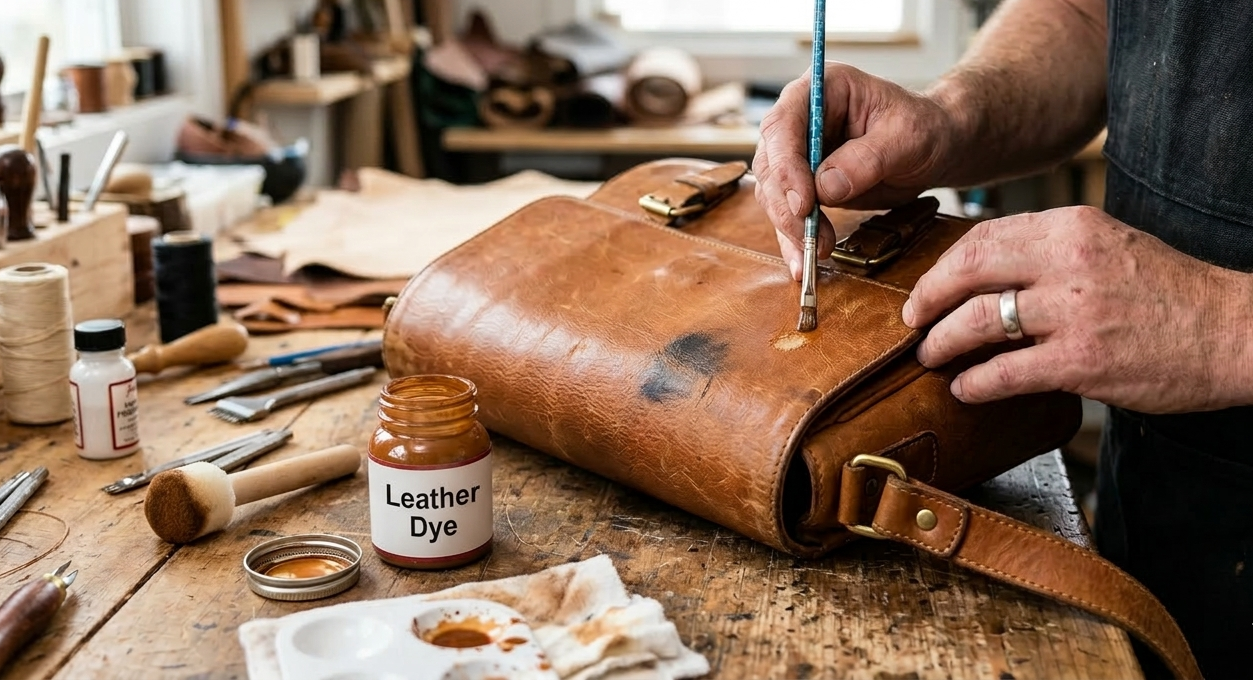
When scratches go slightly deeper, leather dye can be a beginner-friendly solution if you are learning how to fix scratched leather at home. You do not need professional tools because small, targeted touch-ups can restore pigment effectively.
Start by cleaning the scratched area with a soft cloth to remove dust. If the edges feel raised, lightly smooth them using a microfiber cloth or very fine sanding pad, as this helps the dye settle evenly. Using a cotton swab or sponge applicator, dab a small amount of matching leather dye directly onto the scratch. Build color slowly through thin layers instead of applying it all at once. This prevents dark patches and ensures better blending.
Once dry, apply a light leather conditioner or sealant to lock the pigment and restore softness. This simple process is widely used in DIY care routines for how to repair scratched leather because it delivers longer-lasting correction than creams alone. For premium products like Wasama bags or wallets, careful dye blending helps to get rid of scratches on leather without disturbing the original finish. If the scratch is too deep or covers a large area, seeking professional leather restoration is recommended for seamless results.
Use cotton swabs for controlled pigment placement while learning how to fix scratched leather. Avoid heavy dye application, which spreads beyond repair zones. Full-grain Wasama leather absorbs dye evenly. Avoid dye on bonded or faux leather, as pigment bonding is weak and results in inconsistent attempts to get rid of scratches on leather.
5. Heat Treatment
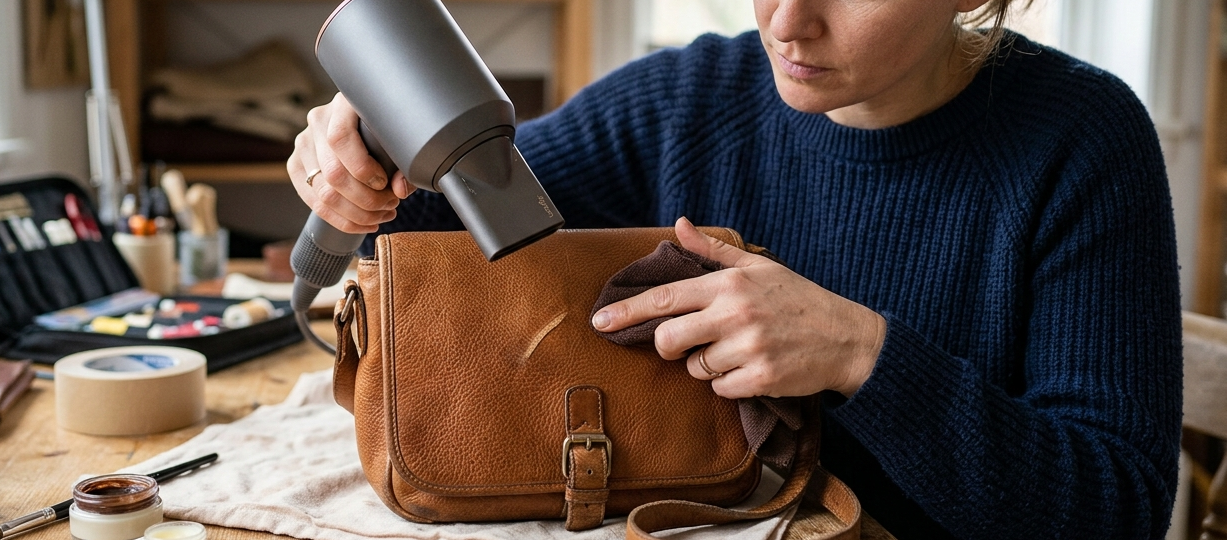
Heat treatment is a lesser-known yet effective method for fixing scratched leather. Leather fibers contract and expand based on temperature. Controlled heat softens these fibers, allowing them to realign and reduce scratch depth.
Using a hair dryer on low heat, the scratched area should be warmed gently. Once softened, the leather can be massaged with fingers or a microfiber cloth. As the material cools, the fibers settle into a smoother formation. This technique is especially effective for pressure scratches rather than pigment damage.
Professionals often include this process in training manuals on how to repair scratched leather naturally. It is also an excellent chemical-free option for those exploring how to get rid of scratches on leather while preserving the original texture. Premium leather like that used in Wasama accessories responds particularly well due to its authentic grain structure.
Maintain low heat distance while practicing how to fix scratched leather on Wasama’s leather bags and wallet,s as overheating may crack surfaces. Full-grain Wasama leather responds well to heating repair because dense fibers get realigned safely to show natural repair. Avoid heat on synthetic or coated leather, where melting or blistering may worsen efforts to get rid of scratches on leather.
6. Beeswax or Petroleum Jelly
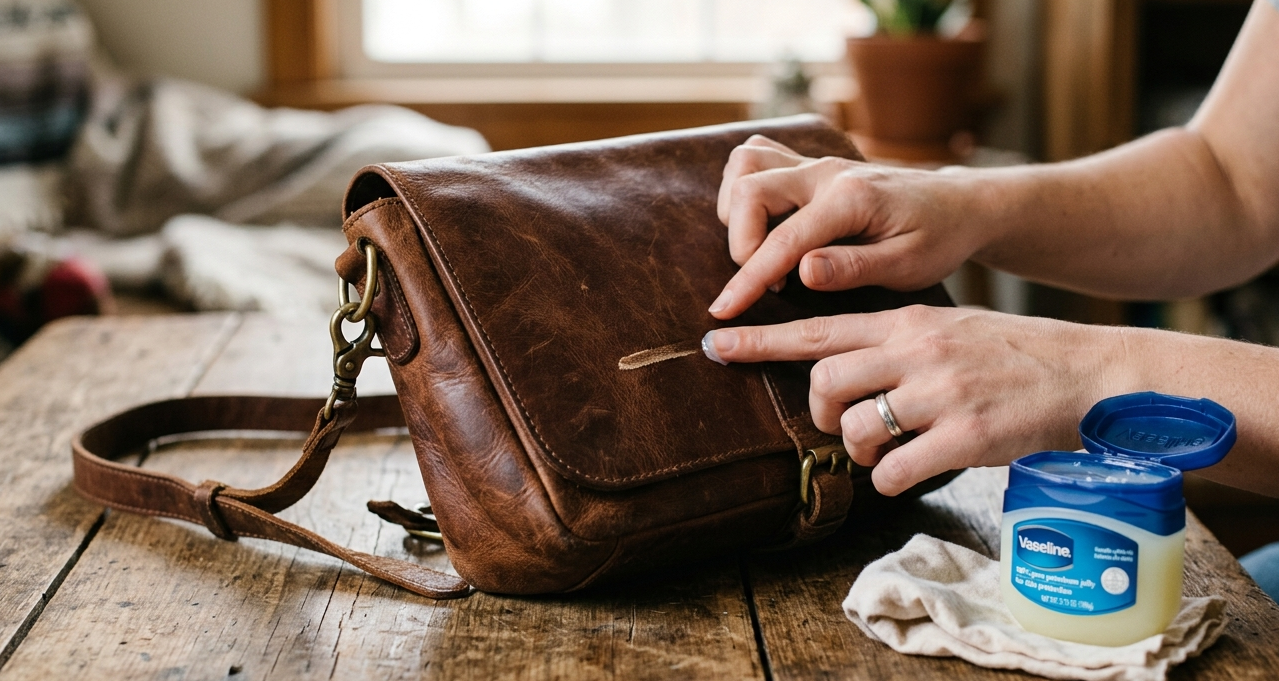
Wax-based filling is another proven solution in how to fix scratched leather. Beeswax and petroleum jelly work by filling micro-indentations and smoothing reflective surfaces. This reduces scratch visibility while conditioning the surrounding leather.
A small amount should be applied and massaged into the scratch. Once absorbed, the area is buffed to restore shine. This method is frequently cited in restoration discussions on how to repair scratched leather because it combines nourishment with cosmetic repair.
For individuals researching how to get rid of scratches on leather on matte or semi-gloss finishes, beeswax offers excellent results. It also adds a protective moisture barrier. Wasama leather goods benefit from wax treatments because they enhance durability while preserving the product’s handcrafted appeal.
Apply minimal wax and buff thoroughly when using this method to fix scratched leather. Residue buildup attracts dust. Full-grain Wasama leather benefits from wax filling, enhancing how to repair scratched leather cosmetically. Avoid petroleum jelly on suede or nubuck, as wax clogs fibers and reduces effectiveness when trying to get rid of scratches on leather.
7. Sanding and Sealant
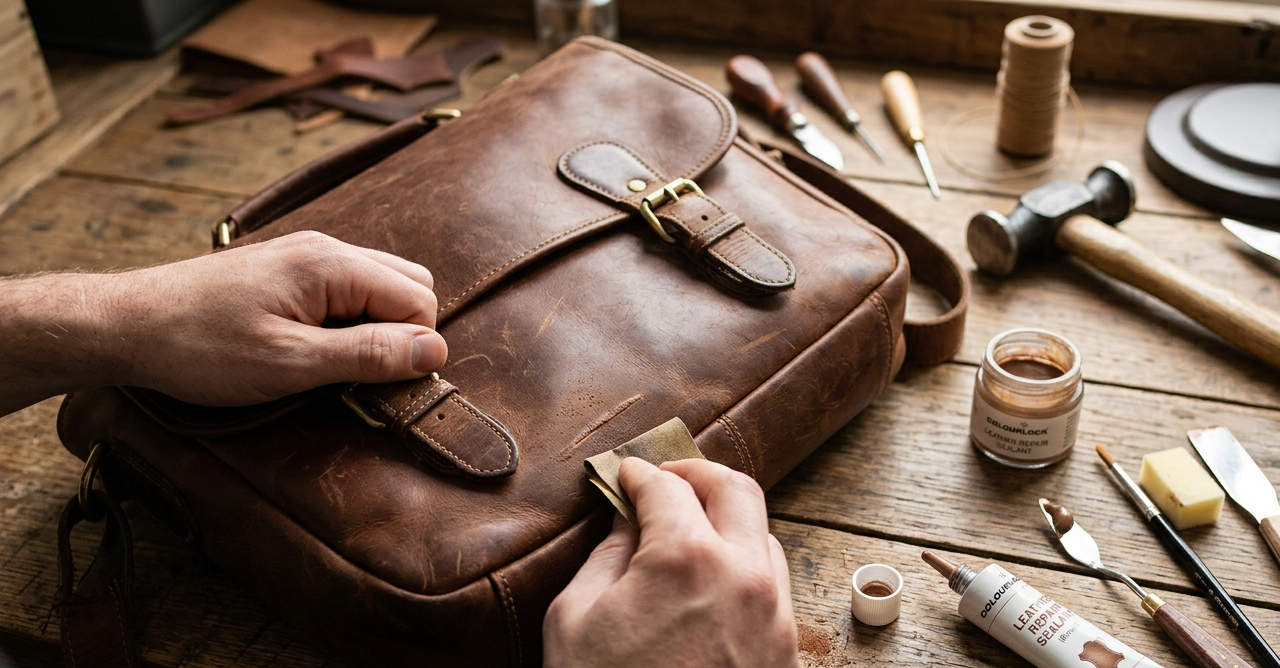
Severe scratches require more advanced intervention when determining how to fix scratched leather effectively. Controlled sanding helps level raised scratch edges and prepares the surface for recoloring.
Ultra-fine sandpaper is used gently to avoid further damage. Once the surface is even, repair compounds or dyes are applied. A finishing sealant locks in the restoration and protects against future abrasion. This method represents one of the most comprehensive solutions for repairing scratched leather at home.
When addressing how to get rid of scratches on leather caused by travel wear or sharp impact, sanding and sealing deliver near-professional results. Structured Wasama briefcases and luggage pieces often require this level of repair to restore their original finish integrity. Avoid sanding corrected grain or bonded leather, where thin top layers may peel while attempting to get rid of scratches on leather.
Conclusion
How to fix scratched leather becomes far more manageable when the repair method matches the scratch depth and leather type. From conditioning and oil blending to creams, dyes, and structural correction, each technique offers a practical way to repair surface damage at home. Understanding how to repair scratched leather not only restores appearance but also protects material strength over time. At the same time, knowing how to get rid of scratches on leather using the right tools prevents further deterioration. For full-grain leather products like Wasama wallets, bags, and travel accessories, timely and suitable repair ensures the grain integrity, finish, and longevity remain uncompromised, allowing the leather to age gracefully rather than wear prematurely.
How to Fix Scratched Leather: 7 Proven Ways to Restore Leather at Home – FAQs
1. Can scratched leather be repaired at home?
Yes, minor to moderate damage can be restored using conditioners, creams, or waxes. Learning how to fix scratched leather at home is effective when scratches are surface-level, and the leather type is compatible.
2. What is the easiest way to repair leather scratches?
Conditioning is the simplest method. It replenishes oils and blends marks naturally, making it a beginner-friendly solution for how to repair scratched leather without altering the original pigment.
3. How do I get rid of light scratches on leather bags?
Use leather conditioner or repair cream and buff gently. This helps get rid of scratches on leather by restoring moisture and smoothing the surface without requiring recoloring.
4. Are leather scratches permanent?
Not always. Surface scratches fade with treatment, but deep cuts may require fillers or dye. Understanding scratch depth is essential when learning how to fix scratched leather effectively.
5. Does olive oil fix leather scratches?
Olive oil can temporarily darken scratches, helping repair scratched leather cosmetically. However, it is not a permanent fix and should be used sparingly on real leather.
6. When should I seek professional leather repair?
If scratches are deep, widespread, or expose inner layers, professional restoration is recommended rather than attempting DIY methods to get rid of scratches on leather.
7. Can heat remove scratches from leather?
Yes, mild heat softens fibers and helps them realign. This technique supports how to fix scratched leather caused by pressure marks rather than pigment loss.
8. Is full-grain leather easier to repair?
Yes, full-grain leather absorbs conditioners and dyes better, making how to repair scratched leather more effective compared to bonded or synthetic leather types.
9. Do repair creams permanently remove scratches?
Repair creams fill grooves and restore pigment, offering long-lasting results. They are widely used solutions for how to get rid of scratches on leather with visible discoloration.
10. Will scratches affect leather durability?
Minor scratches are cosmetic, but untreated deep damage can weaken fibers. Addressing them early helps fix scratched leather while preserving long-term strength.


